


Discover Upcoming Events
Including workshops, tastings, discussions and Schoggifestival ehrundredlich
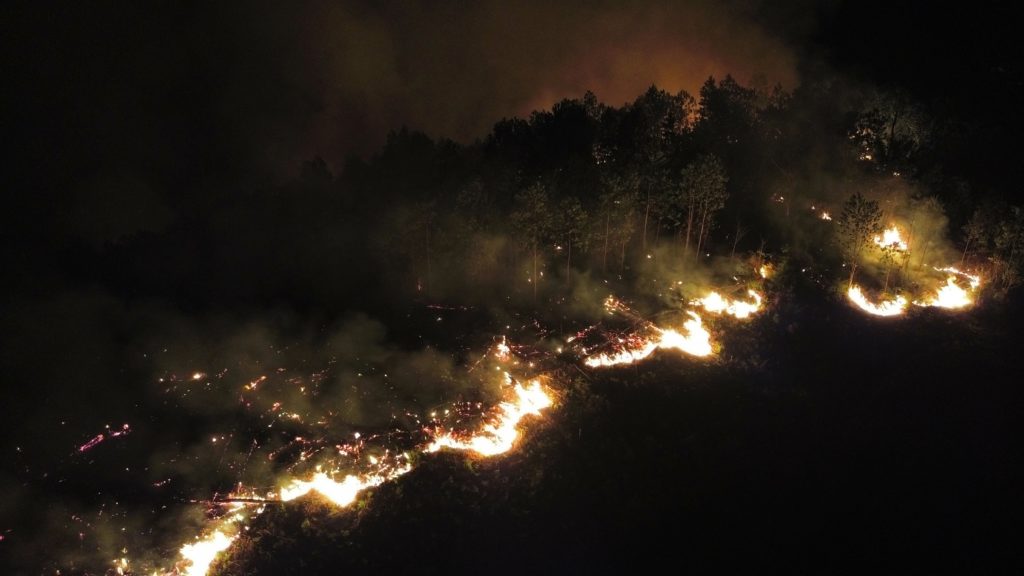
The fires in Borneo threaten people, wildlife, and valuable forest areas. The Berau region in East Kalimantan, where our Menyapa-Lesan Cocoa Project is being implemented, is also affected. Our project partner CAN is working alongside local communities to save what can still be saved.
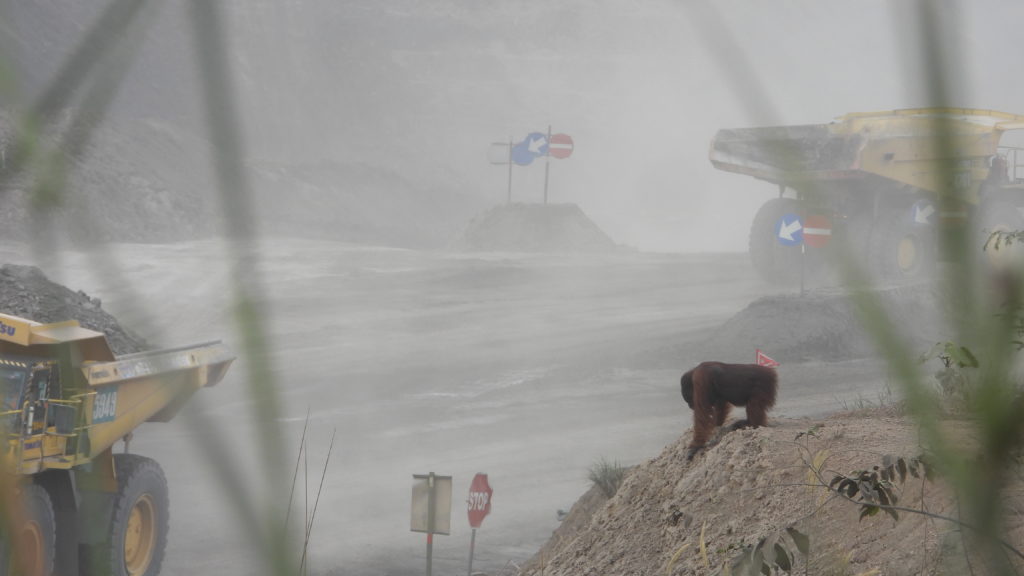
Forests and areas in Borneo that are vital to humans and animals are currently burning. For the local Dayak communities, the forest is home; for orangutans and many other wild animals, it is an indispensable habitat. When it burns, animals lose their food, water, and shelter. People lose their crops, income, and safety.
As of October 2026
Borneo is experiencing a particularly dry period, which is further exacerbated by a strong El Niño phenomenon. This often brings hotter and drier weather to Indonesia, thereby increasing the risk of fires spreading. El Niño itself does not start fires; many are caused by human activities. However, drought and parched vegetation make them harder to control. Parched peat soils are particularly dangerous. Fires can smolder deep underground, remain unnoticed for a long time, and flare up again elsewhere. The consequences include persistent smoke, poor air quality, and enormous strain on people, animals, and nature. Indonesian authorities classified August and September 2026 as a particularly critical period. The fires affected Kalimantan and other regions of the country.
When the forest burns, wildlife must flee
After years of deforestation and habitat fragmentation, wildlife is already facing a growing shortage of food, water, and refuge areas. Fire exacerbates this crisis by destroying habitats within a matter of hours and severing vital connections between forested areas.
Our local project partner, Conservation Action Network (CAN), has been working alongside local communities since August. The teams patrol at-risk areas, monitor fire hotspots, and assist in firefighting efforts. They also support the rescue, medical care, relocation, and rehabilitation of affected wildlife.
This effort places enormous demands on everyone involved. At times, they battle the fires for days on end, while water, equipment, and manpower grow scarce. In doing so, they are protecting not only trees, but also their homes, their livelihoods, and a landscape they have been working to preserve for years.
More than half of the forest area reforested by CAN since 2019 has been destroyed. The teams are currently working to preserve the remaining protective forests.
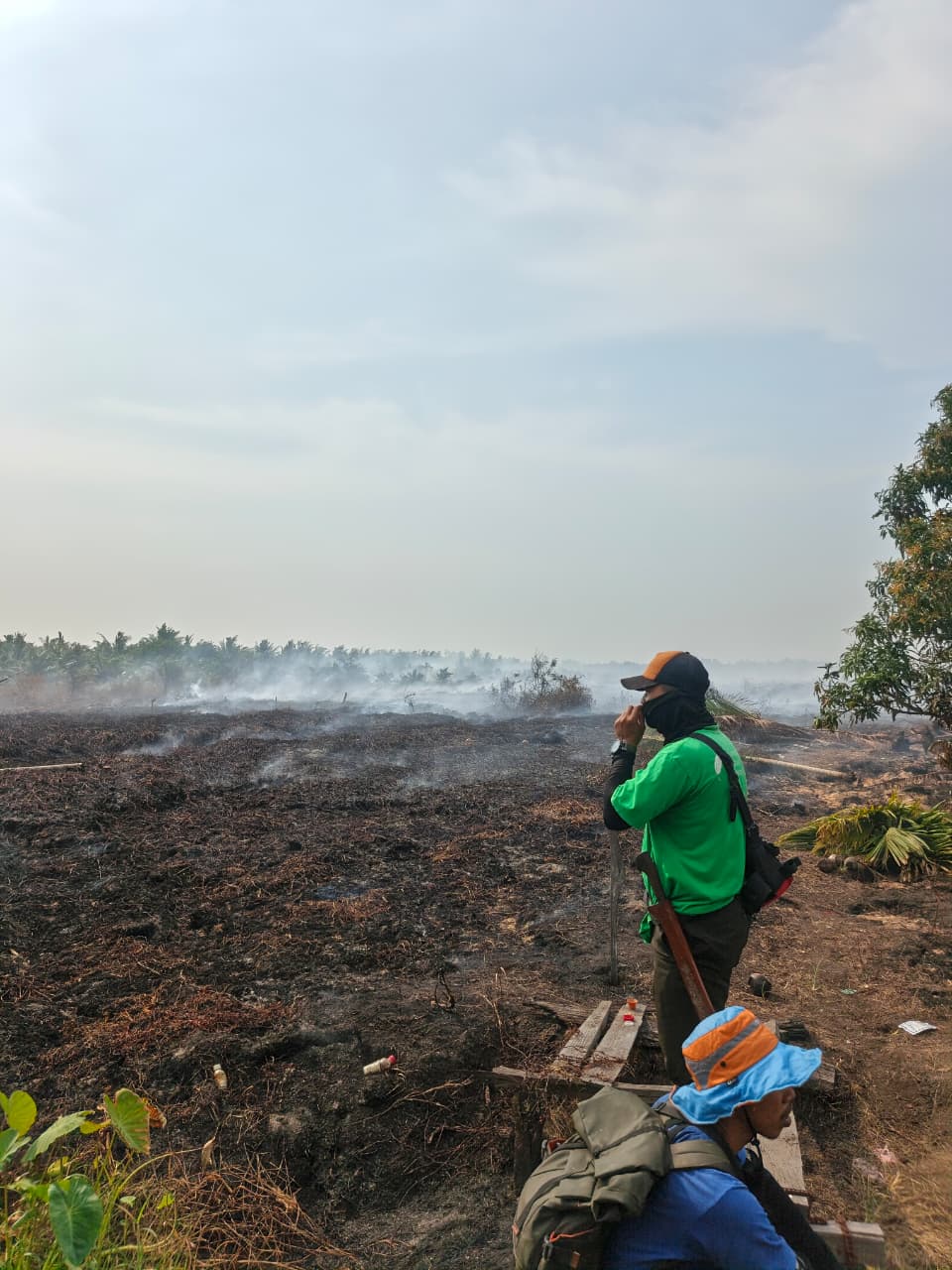
As things stand, the nursery center—where cocoa seedlings were to be grown for the coming years—was destroyed by the fire.
More than 50 cocoa-farming families involved in the project and approximately 45 hectares of land have been affected. All communities in the Menyapa-Lesan program are feeling the effects. The village of Merasa has been particularly hard hit: Several farms, including key cocoa fields that serve as a source of income, were damaged or destroyed. As a result, lower harvests and income losses are expected for at least the coming seasons.
In addition, many community members are helping to fight the fires and are therefore unable to tend to, cultivate, or prepare their farms for the next harvest as planned. The smoke also poses a health risk to the population, leading to respiratory problems and illnesses. The consequences thus extend far beyond the burned areas.
It is heartbreaking to see a forest—which people have protected and restored over the years—burn down in a short period of time. Orangutans and other wildlife are losing their homes, families fear for their farms and livelihoods, and emergency response teams are battling the flames to the point of exhaustion.
At the same time, there is a strong sense of solidarity: local communities, CAN, and supporters are standing together to save what can still be saved. Every fireline held protects a section of forest. Every area saved remains a habitat. Every family that receives support has a better chance of getting back on its feet.
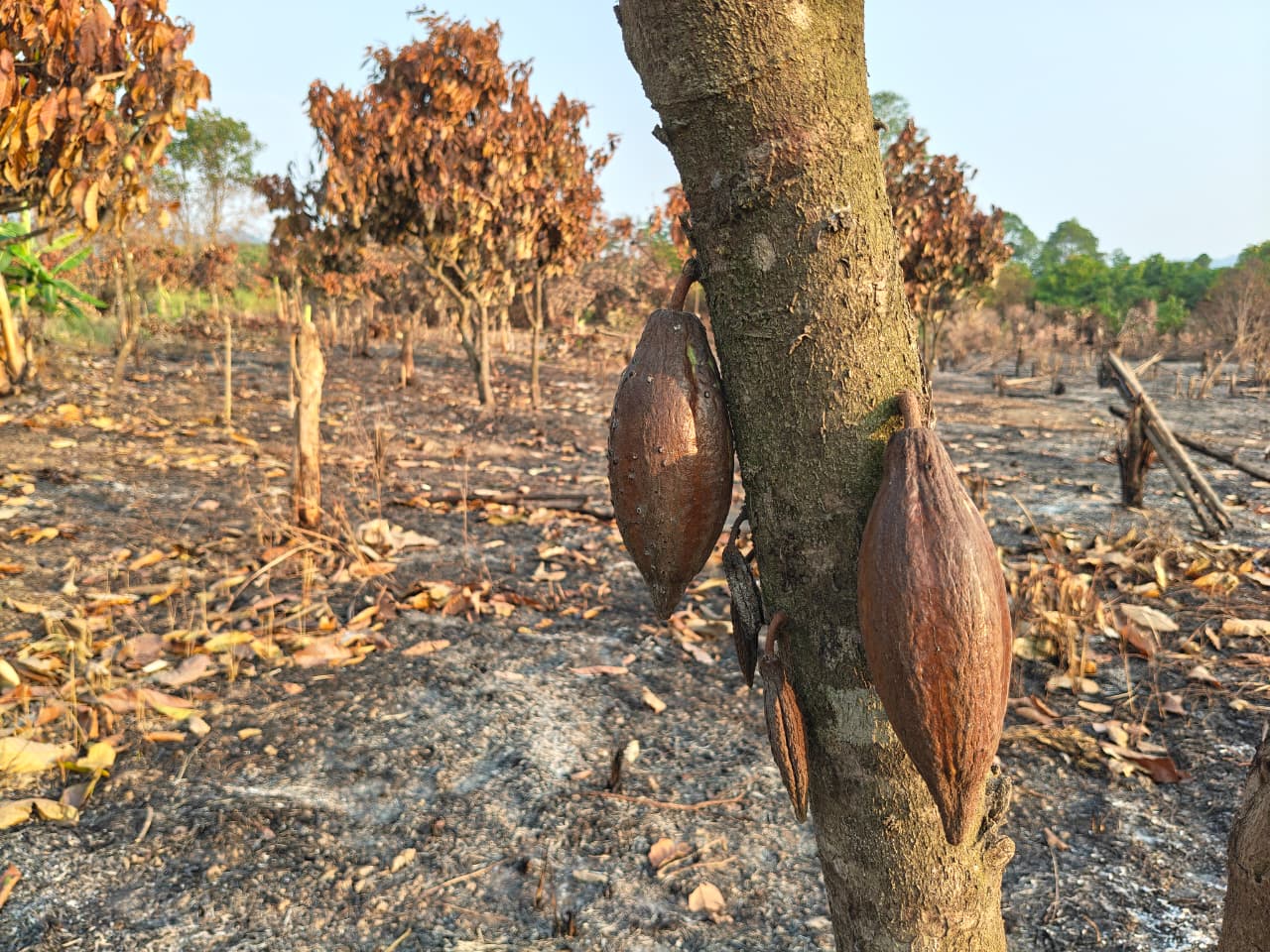
Cocoa cannot extinguish a fire. However, sustainable, locally rooted cocoa cultivation can contribute to reconstruction: through new seedlings, more resilient agroforestry systems, additional income opportunities, and a landscape where forest conservation and livelihoods are considered together. The cocoa project therefore remains a long-term approach for the period following acute emergency aid.
Together with CAN and local communities, we want to learn from this crisis. This includes improved risk maps and early warning systems, local equipment and training, adapted agroforestry systems, the protection of water sources, and strategies to prepare for prolonged dry spells. Given the increased fire risk during the severe El Niño phase, prevention, local preparedness, and rapid response remain crucial.