

Discover Upcoming Events
Including workshops, tastings, discussions and Schoggifestival ehrundredlich
In the Menyapa-Lesan Project in East Borneo, Indonesia, Dayak communities grow cacao using agroforestry methods that preserve the rainforest and the orangutans’ habitat while providing them with a good income. Together with them, we’re building a transparent supply chain from Indonesia to Switzerland. That’s how their cacao becomes chocolate that makes a difference.
Your chocolate can do more.
Behind many chocolate bars lies a bitter story: cocoa farmers are paid too little for their cocoa, children work on the plantations, and rainforest is cleared to make way for new farmland. It doesn’t have to be this way. In East Borneo, we’re working with Dayak communities to produce ethically sourced cocoa that preserves the rainforest and the orangutans’ habitat while providing families with a decent income. So your chocolate can do more than just taste good.
Cocoa Instead of Coal
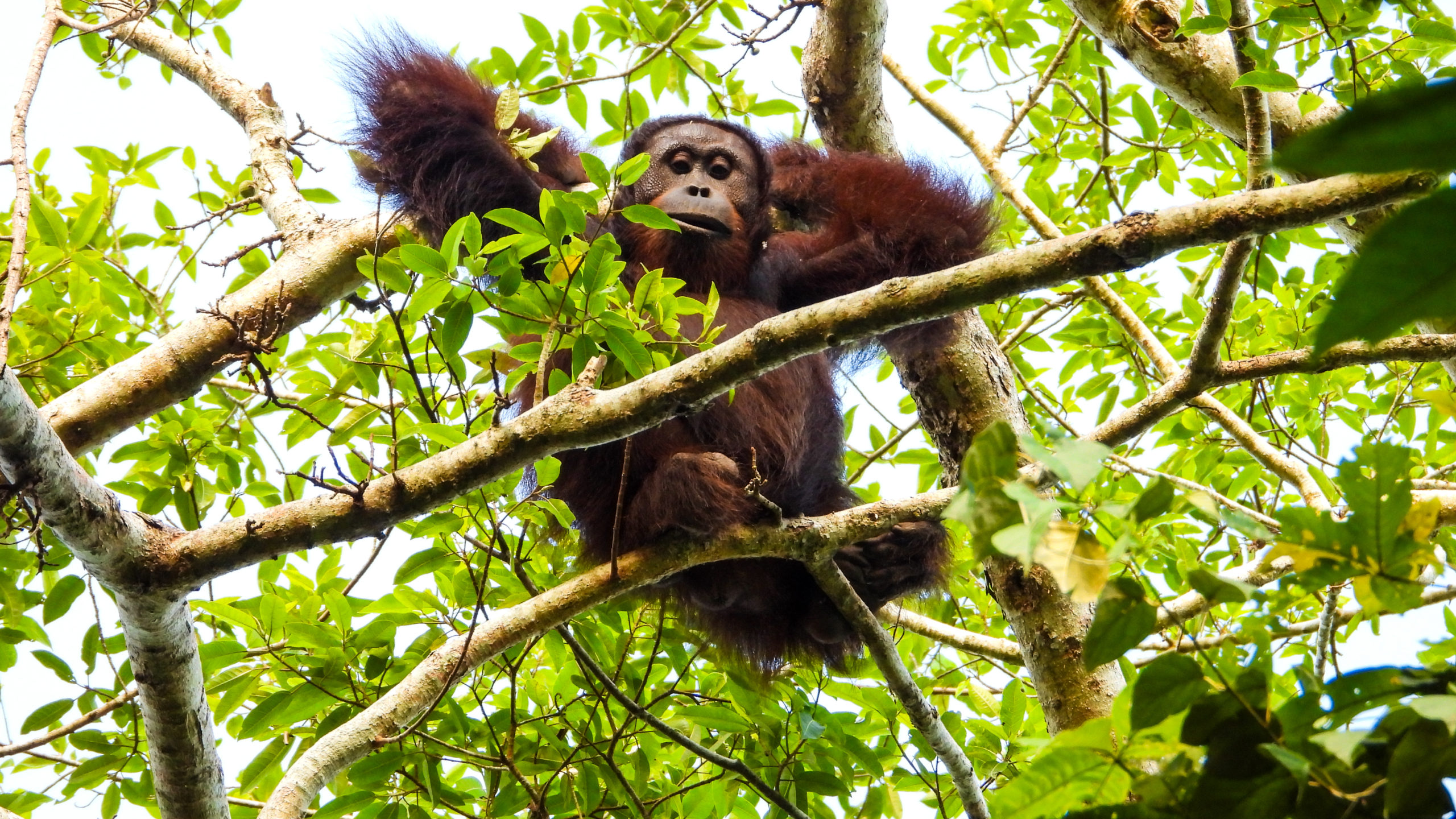
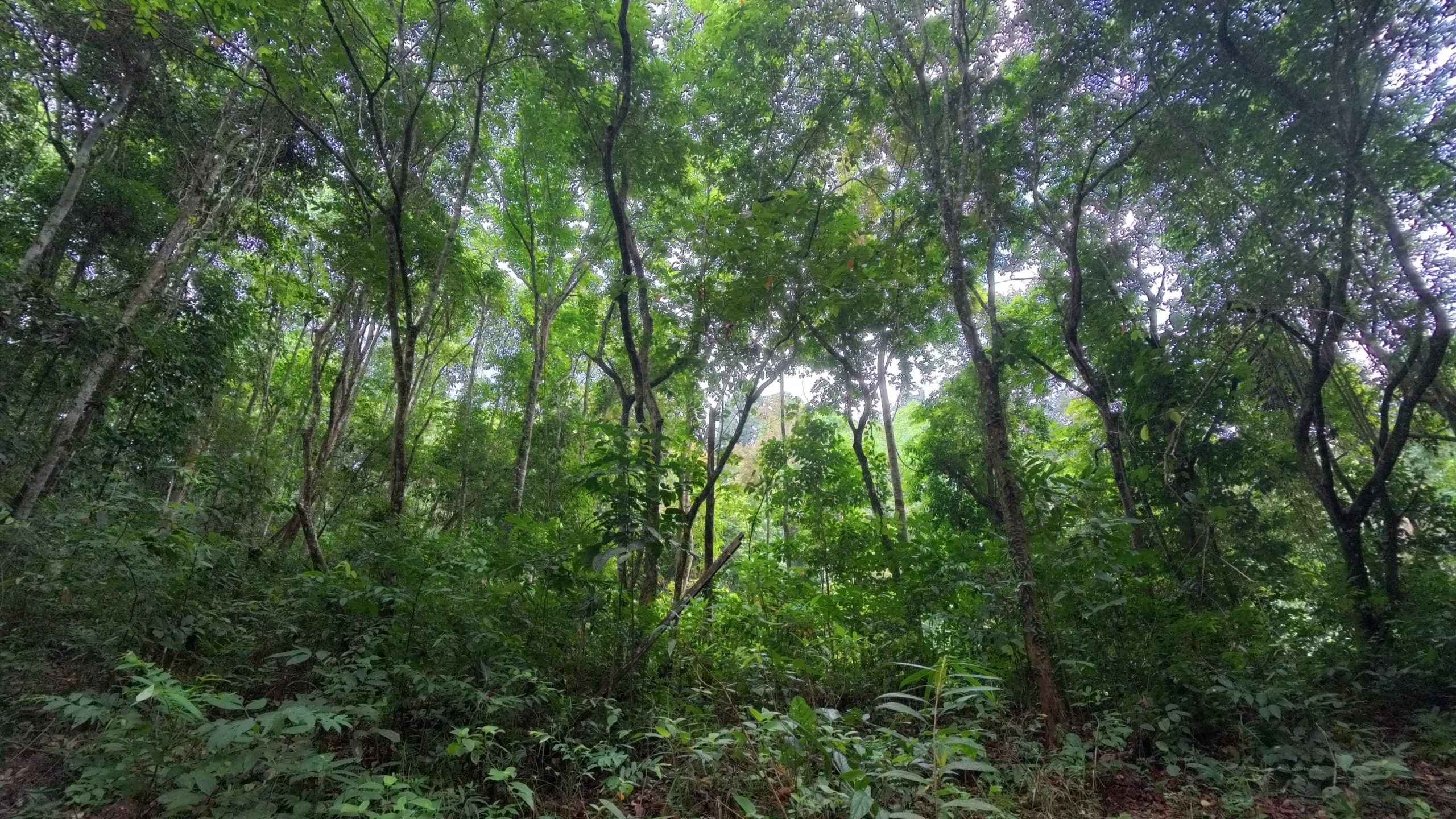
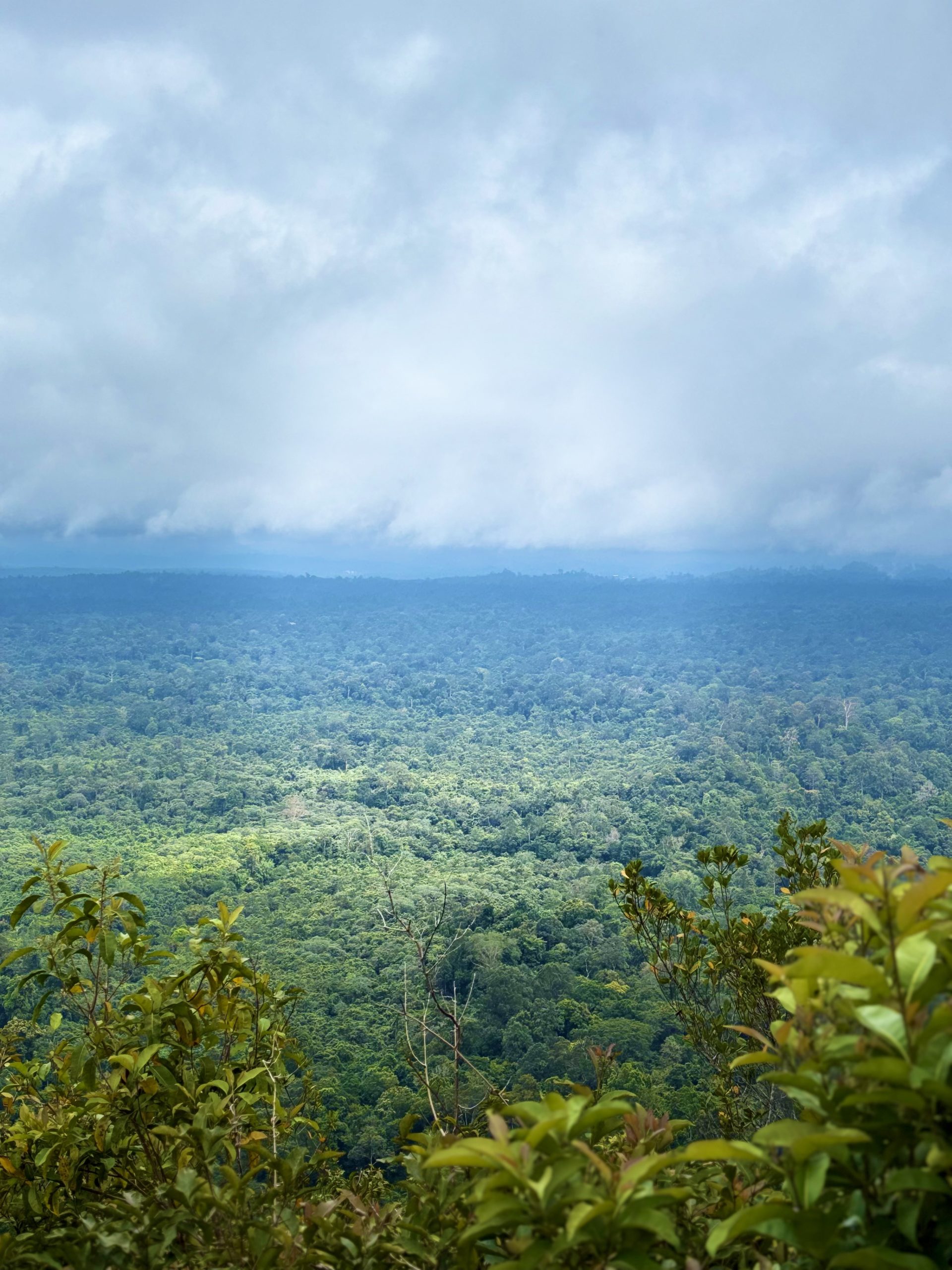
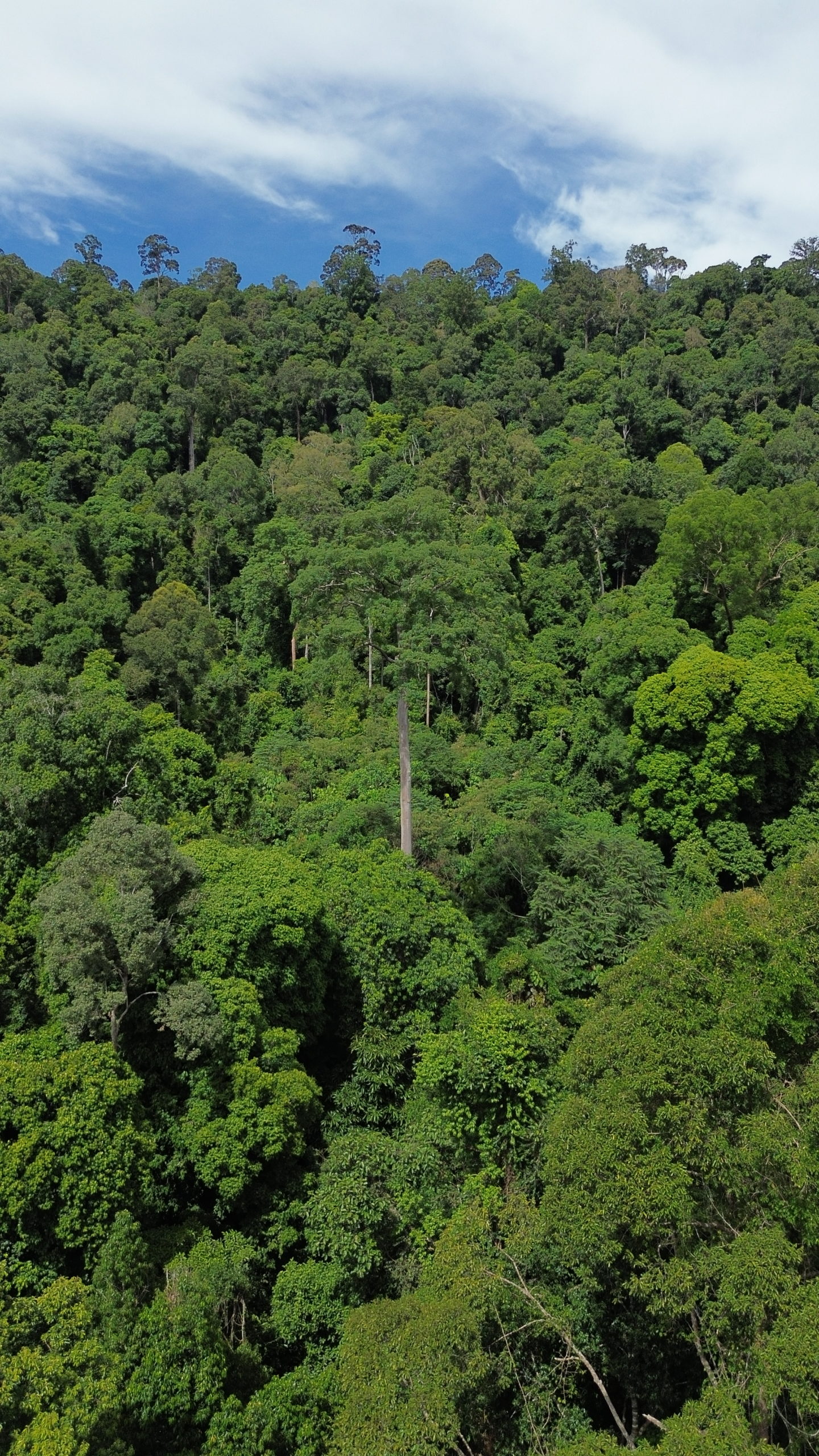
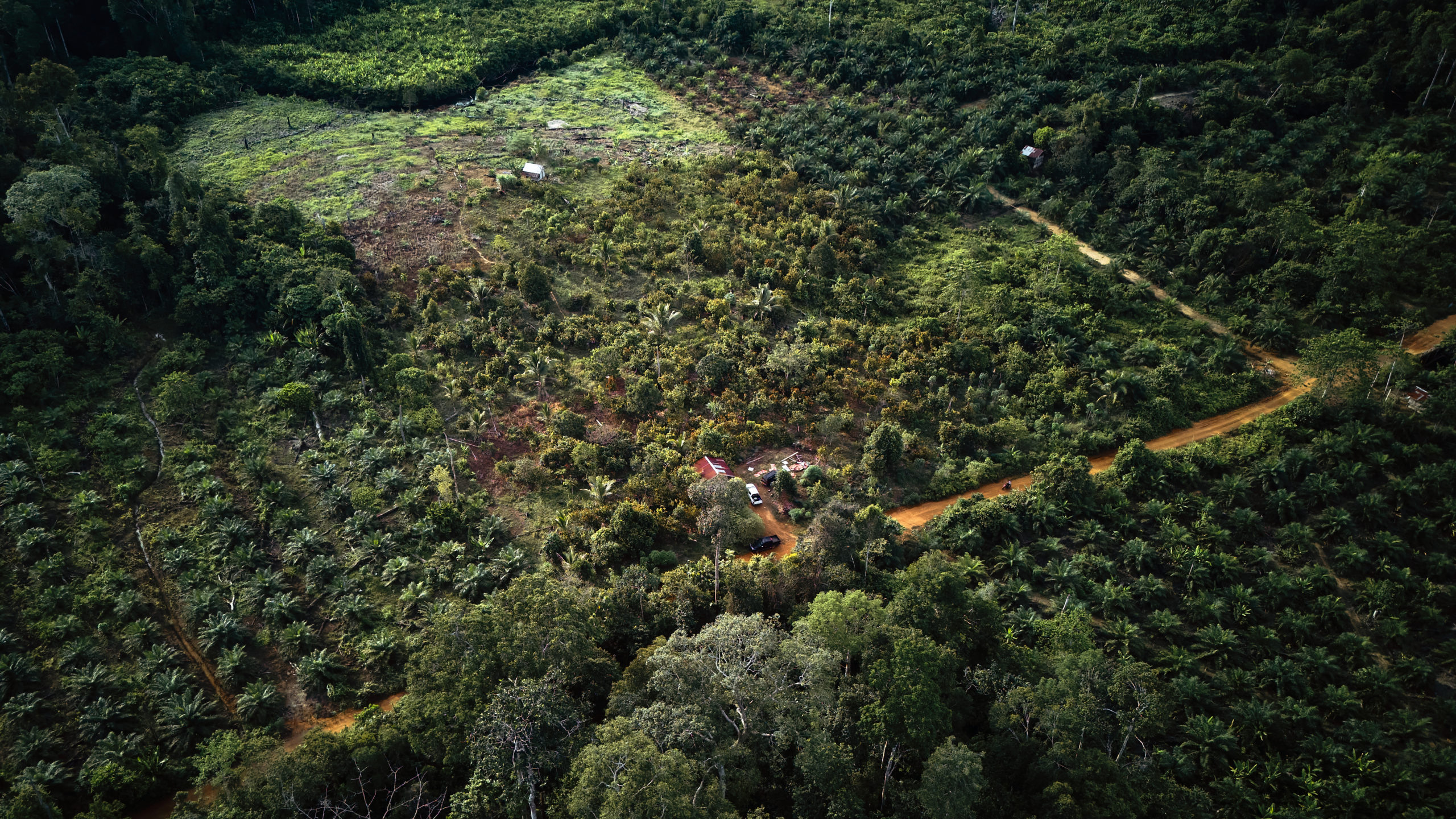
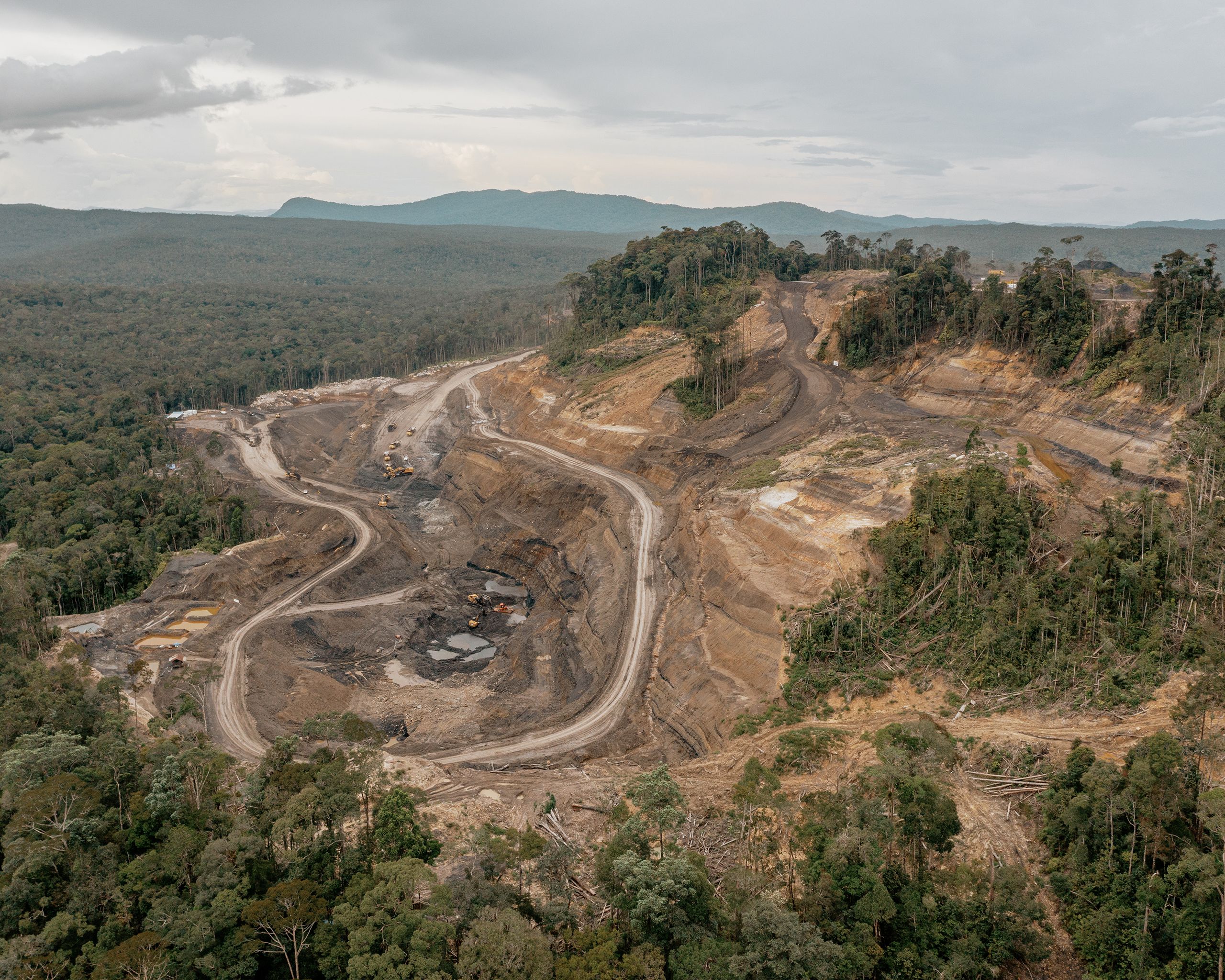
The Berau region in East Kalimantan is home to one of the oldest and most biodiverse rainforests in the world. Coal mines and palm oil plantations are steadily encroaching on this natural habitat of orangutans and other animals, while fires destroy thousands of hectares every year. This loss also affects the Dayak communities, who traditionally depend on the forest for their livelihood. At the same time, the extractive industries provide many families with jobs and income.
In the Menyapa-Lesan project in East Borneo, Indonesia, we are working together with Dayak communities to build on the high quality of their cocoa. We’re working on processing, increasing yields on existing land, securing better prices, and gaining access to new markets. This creates long-term income opportunities for families, enabling them to better defend their forests against the pressures of palm oil and coal mining.
From mass-produced goods to direct trade
Today, families mostly sell their cocoa as anonymous bulk goods at prices that are rarely enough to make a living. Our goal, therefore, is to move away from the mass market toward direct trade: to bean-to-bar and other small-scale producers who source their cocoa transparently and pay fair prices.
Simply put: If good cocoa is profitable, it’s also worth preserving the forest. Cocoa thus becomes an economic incentive for forest conservation and a source of hope for the future for the people who live in this region.
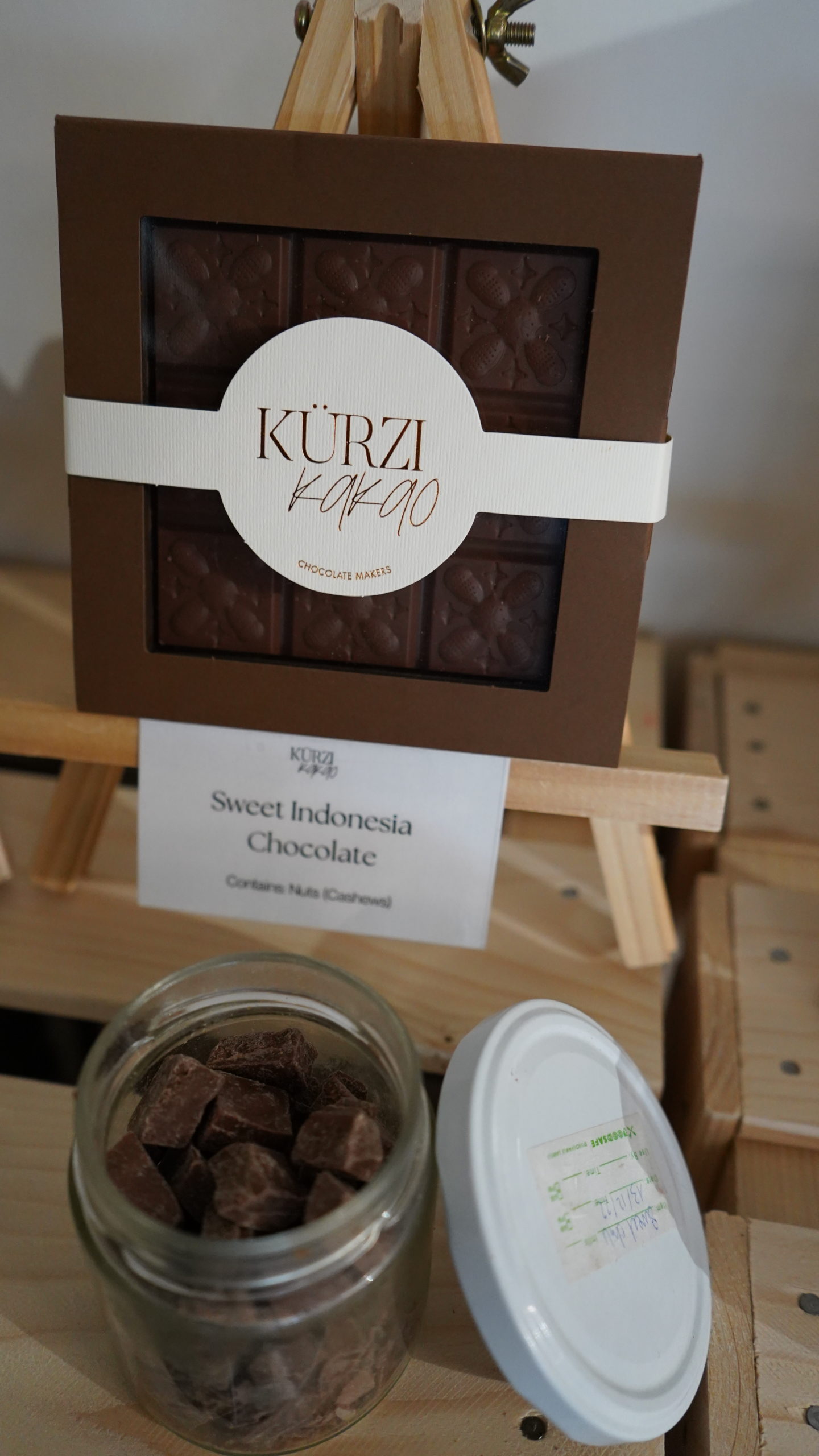
To this end, the project combines community-based agroforestry with nature conservation. In agroforestry, cacao is grown alongside other crops and trees on the same land. We also strengthen local processing and the traceability of the cacao. This creates a transparent link from the cocoa farms in East Borneo all the way to the chocolate in Indonesia and Switzerland.
What We Don’t Know and What We’re Considering
Let’s be honest: We don’t know today whether the project will succeed. There are some risks we can do little to influence. The wildfires that recently struck the project area clearly illustrate this. Other challenges lie in the collaboration itself. The participants in Borneo and Switzerland bring different expectations, experiences, and priorities to the table.
Added to this is a history that continues to have an impact today. The cocoa trade is deeply shaped by colonial structures, and even within our project, knowledge, money, and decision-making power are unevenly distributed. We do not want to ignore these inequalities, but rather address them openly and incorporate them into our work. We are aware that we won’t succeed in everything and that we’ll only come to realize some things as we go along. That’s precisely why we listen, keep learning, and adjust our approach accordingly.
Why We Remain Confident
We are encouraged by how many people are pulling together. There are the families and village councils in the villages of Berau, the orangutan conservation organization CAN, KEM—an Indonesian network for ecological impact investment—the agricultural technology company Koltiva, and, of course, Kürzi Kakao, which has already produced its first batch of Borneo chocolate. Added to this are our funding partners in Switzerland—BOS Switzerland and we at the Good Chocolate Hub. Everyone wants the project to succeed, and that brings us great joy.
Project Area
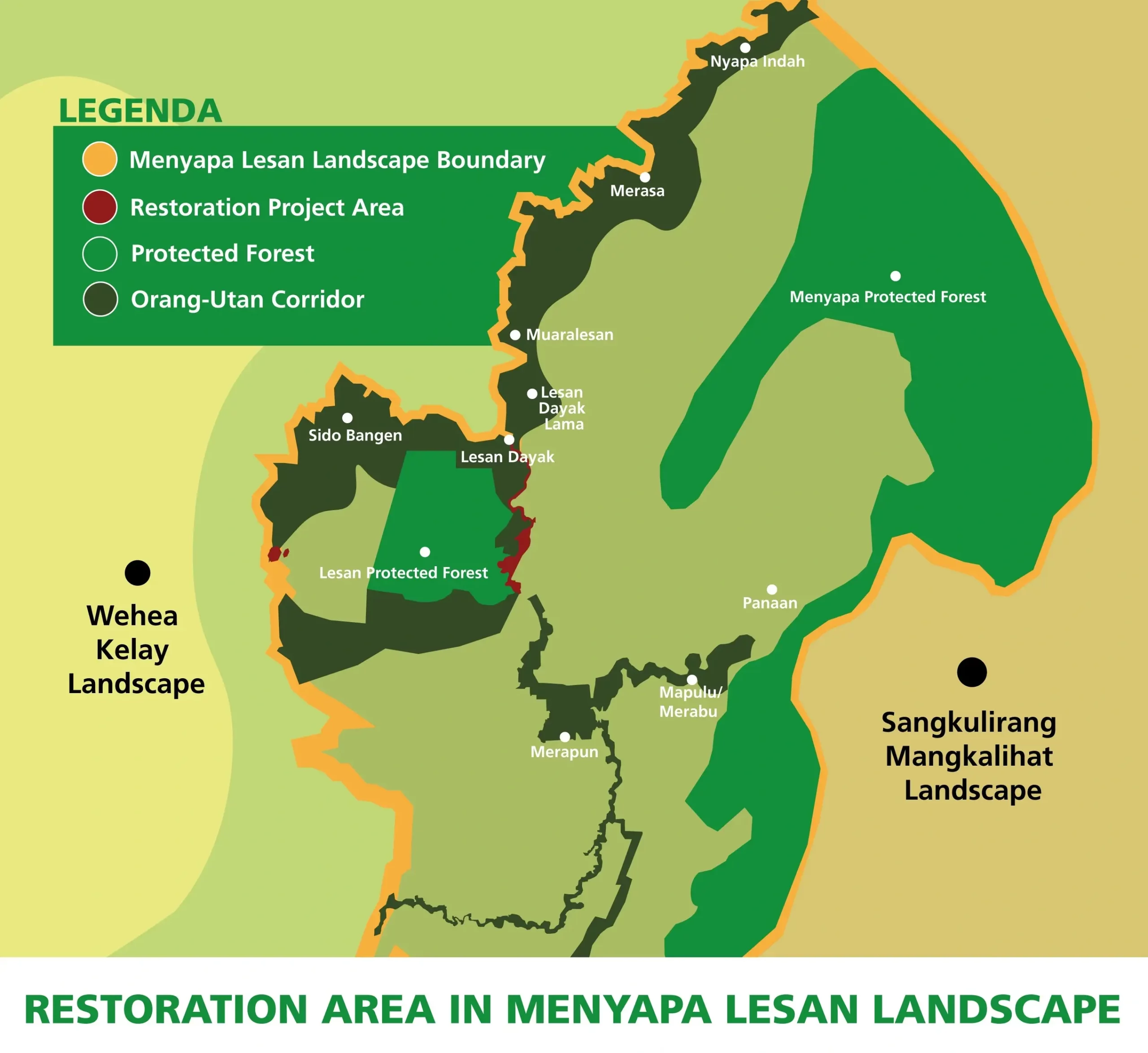
Menyapa-Lesan Landscape, Berau Region, East Kalimantan, Indonesia
Project Duration
, 2025–2028
Who’s involved
Up to 900 cocoa-farming families in 7 participating communities, Conservation Action Network (CAN), Good Chocolate Hub, Borneo Orangutan Survival Switzerland (BOS Switzerland), Kürzi Kakao
What is being protected
Habitat of approximately 185 endangered Bornean orangutans
In Borneo
The Berau region in East Borneo is home to one of the oldest and most biodiverse rainforests in the world. Orangutans, sun bears, and countless other animal and plant species live here.
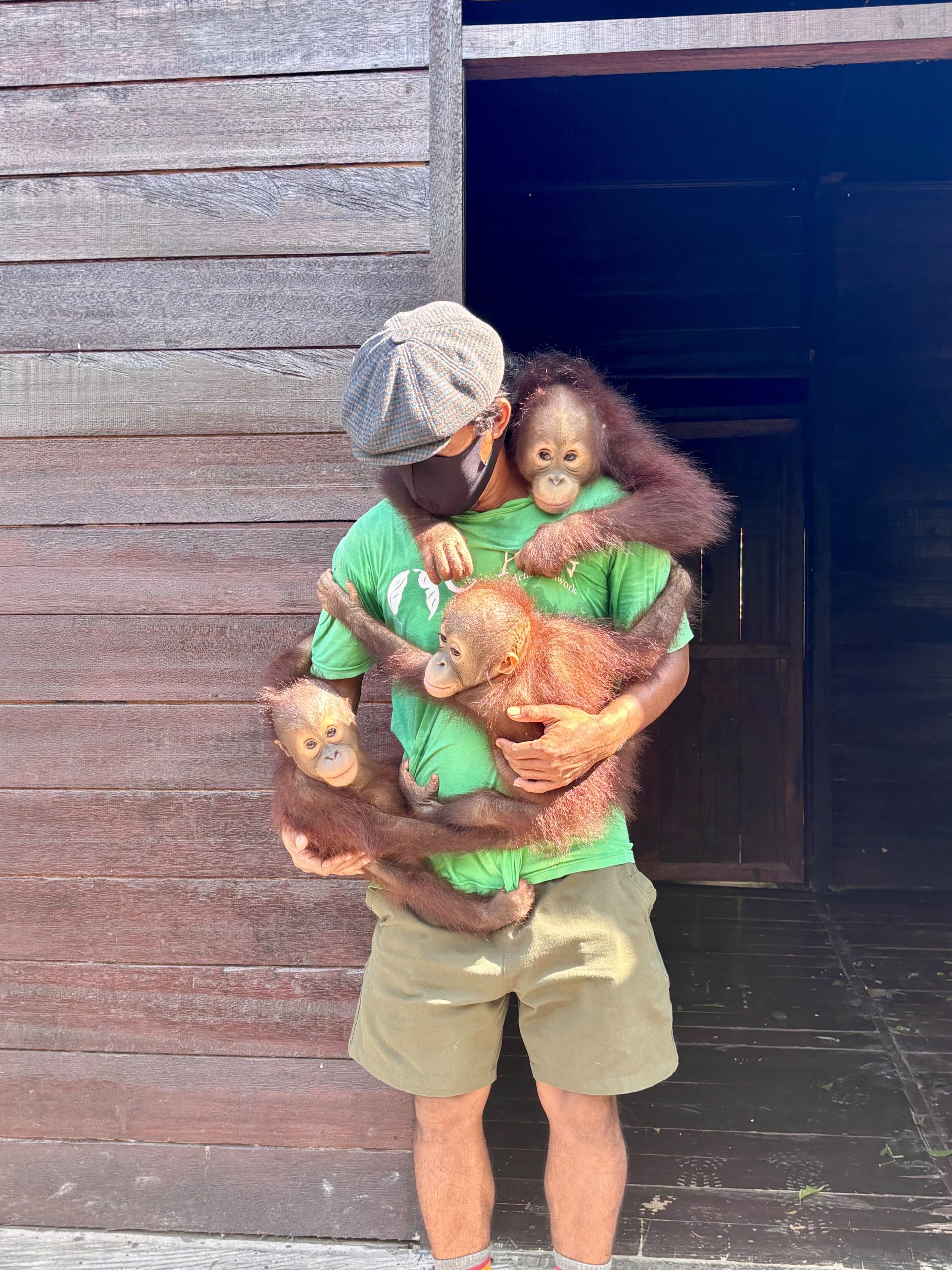
But the forest is shrinking. It is being cleared—both legally and illegally—for timber, palm oil plantations, and coal mines. Slash-and-burn practices and wildfires, which are becoming more frequent due to climate change, destroy thousands of hectares every year. What remains is breaking up into ever-smaller forest islands. For orangutans, this is the greatest threat. Added to this are poaching and the illegal trade in young orangutans. Over the past 60 years, their populations have declined by more than half. You can find out more about these threats at BOS Switzerland.
The loss of the forest also affects people. The Dayak communities depend on the forest for their livelihoods, and as the forest disappears, so do their sources of income. At the same time, palm oil plantations and coal mines provide many families with jobs and income. We therefore need to find ways to preserve the forest while ensuring a reliable income for these families.
Cocoa Today
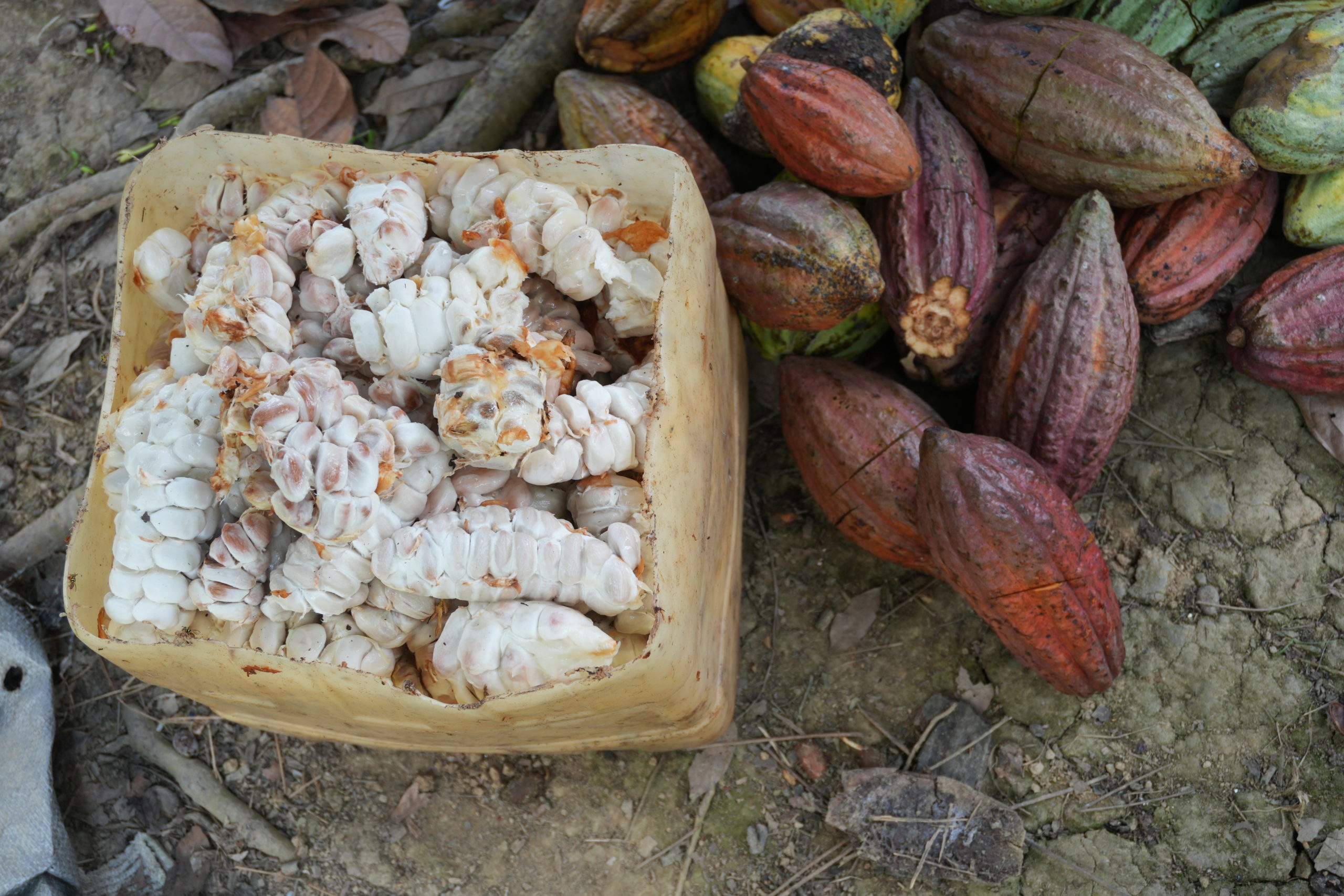
Cocoa is already being grown in the villages within the project area, partly in mixed cropping systems with other trees and crops, and partly on small family plots planted exclusively with cocoa trees. Most of the harvest currently flows into the commercial cocoa production chain. In that system, quantity is what counts most. The quality of the beans is hardly rewarded, neither in terms of price nor in any other way. That is why most beans are not fermented: the commercial supply chain does not require it and does not pay for the effort involved. Yet fermentation is crucial to the flavor of good chocolate.
The supply chain is also anonymous. The trail of the beans is lost through multiple intermediaries. No one knows where they go or which products they end up in.
In Switzerland
Borneo seems far away. Yet our daily lives are closely tied to the rainforest, often without us even realizing it. Switzerland, too, is thus involved in these developments.
Chocolate: We Swiss love chocolate. Very few people know where the cocoa comes from or under what conditions it is grown. There’s hardly any information about this on the packaging. As a result, the fact that cocoa farmers often earn too little to make a living and that forests are being cleared to make way for new plantations remains hidden from view.
Palm oil: Major agricultural traders such as Cargill and Louis Dreyfus manage their trade operations from Geneva and also source and refine palm oil from and in Borneo. Palm oil is found in baked goods, processed foods, soaps, and cosmetics, often under names that no one recognizes as palm oil. When people shop, they therefore unconsciously help determine how much rainforest must give way to plantations. In the 2021 referendum on the Switzerland-Indonesia Free Trade Agreement, Swiss voters helped decide the conditions under which palm oil from Indonesia would be imported. For the first time, tariff benefits were tied to sustainability. This shows that we can play a political role in shaping what ends up on our store shelves.
Coal: Switzerland is one of the world’s most important commodity hubs. According to Public Eye, about 40 percent of the global coal trade is handled by Swiss companies. Coal is also mined in Borneo with Swiss involvement. For example, the PT Borneo Prima mine in Central Kalimantan is operated on behalf of Zug-based IMR Holding. There, Dayak communities report land grabs and polluted rivers. This mine is not located directly within our project area. However, it illustrates just how directly decisions made in Switzerland affect the forests of Borneo.
Regulation: Through the Deforestation Regulation (EUDR), the EU prohibits the import of products such as cocoa or palm oil derived from deforestation, and through the Supply Chain Directive (CSDDD), it requires corporations to protect human rights and the environment. Switzerland, as a hub for raw materials, has no comparable rules to date—it relies on voluntary measures. The Corporate Responsibility Initiative or a strong counterproposal would close this legal loophole.
This also means that we can make a difference through what we buy, how we invest our money, and which policies we support.
Cocoa in Agroforestry
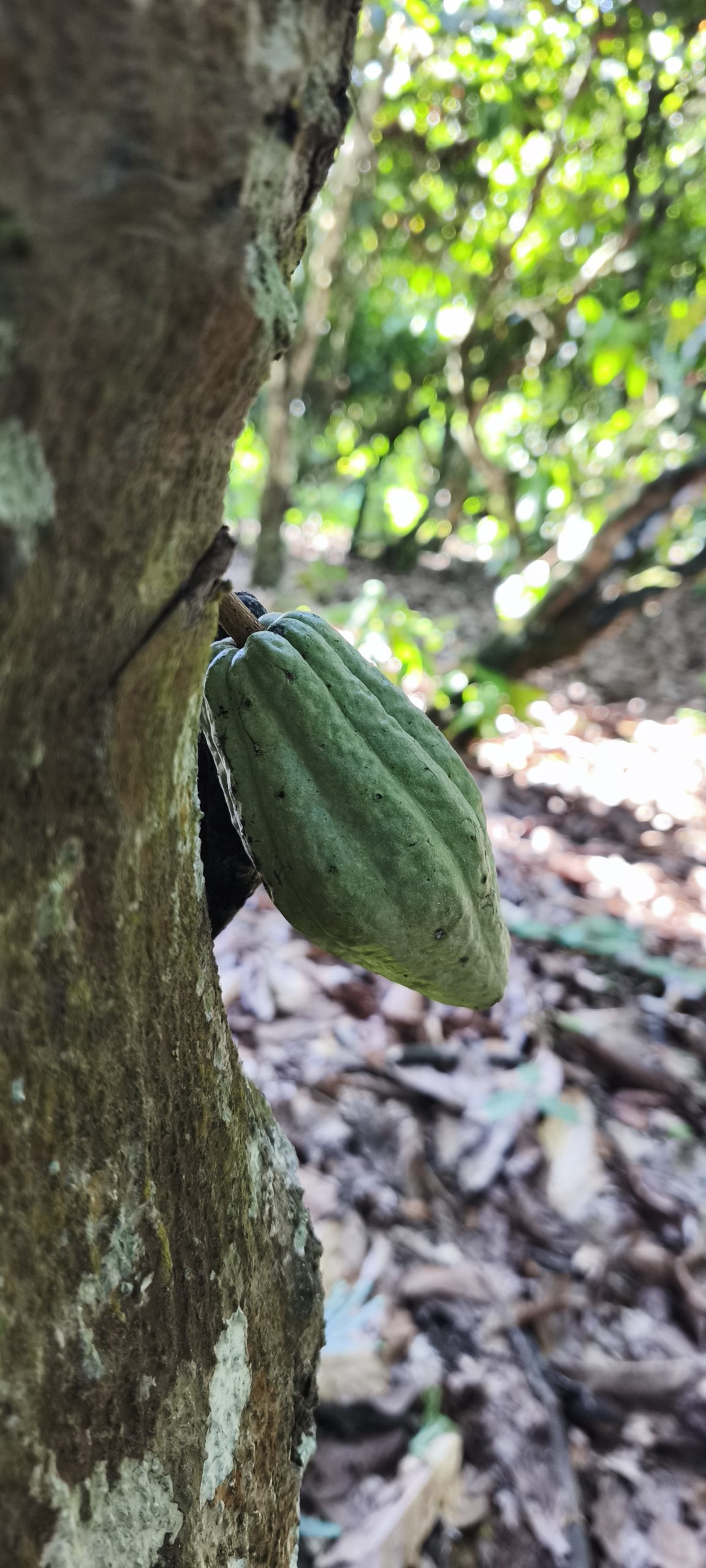
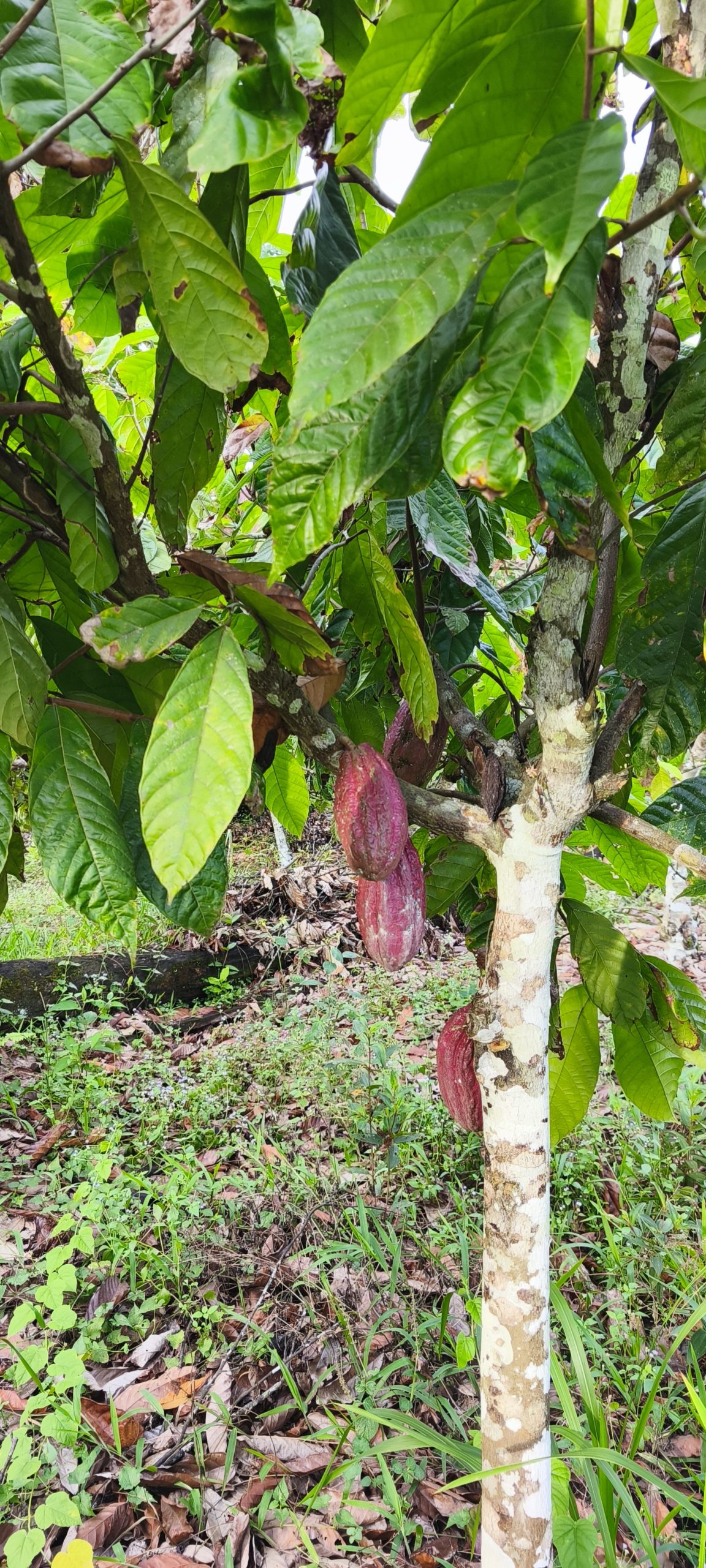
Cocoa is originally a tropical tree and grows naturally in the shade of larger trees. In agroforestry, it is cultivated alongside shade trees and other crops such as fruits, cashews, or valuable timber trees. Such a system does not replace a rainforest. Compared to a pure cocoa plantation, however, it provides more habitat for animals and plants, protects the soil, and diversifies families’ income across multiple products. Some of the cocoa fields in the project area are already managed this way. The project aims to gradually increase this proportion in collaboration with the families—on existing land and without any new deforestation.
Our Approach
The project combines cocoa farming, forest conservation, and trade. It brings together organizations with diverse areas of expertise and pursues four goals:
Higher incomes for cocoa-farming families. These families grow cocoa of very high basic quality, but today they mostly sell it as a commodity at low prices. Yet a large portion of chocolate’s flavor develops during fermentation and drying. Together, we are further developing these processes through knowledge sharing and the provision of necessary equipment. This enables the beans to command higher and more reliable prices through direct trade. The long-term goal is for families to earn a good income from their cocoa and other sources. This takes time.
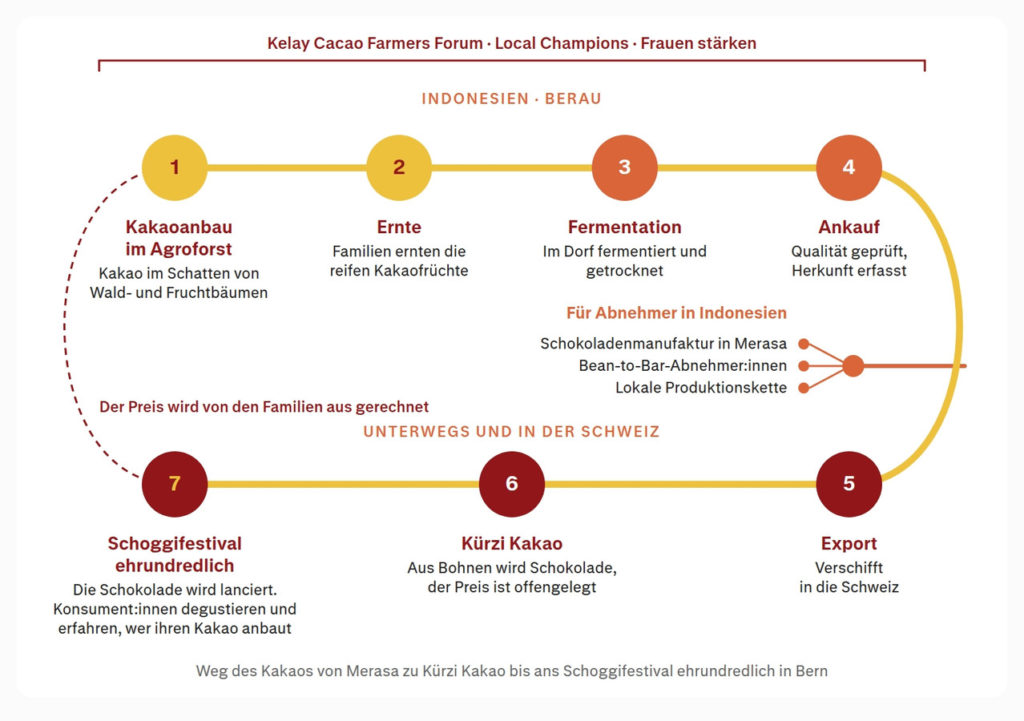
From the mass market to direct trade. Today, families sell their cocoa to middlemen, who supply it to the mass market. We don’t just want to improve this supply chain—we want to change it: The cocoa should go directly to bean-to-bar manufacturers and other buyers who value quality and source transparently. To that end, we’re building a supply chain that makes it possible to trace where and under what conditions the cocoa is grown, processed, and traded—from the farms in Berau to the chocolate in Indonesia and Switzerland.
Protecting the Forest and Orangutans. The Dayak communities have lived with and from the forest for generations and want to preserve it. The pressure comes from outside, in the form of plantations, mining, and deforestation. Cocoa grown through agroforestry can help the communities use their land as they see fit and preserve the forest. It is intended to be an additional option, not the only one.
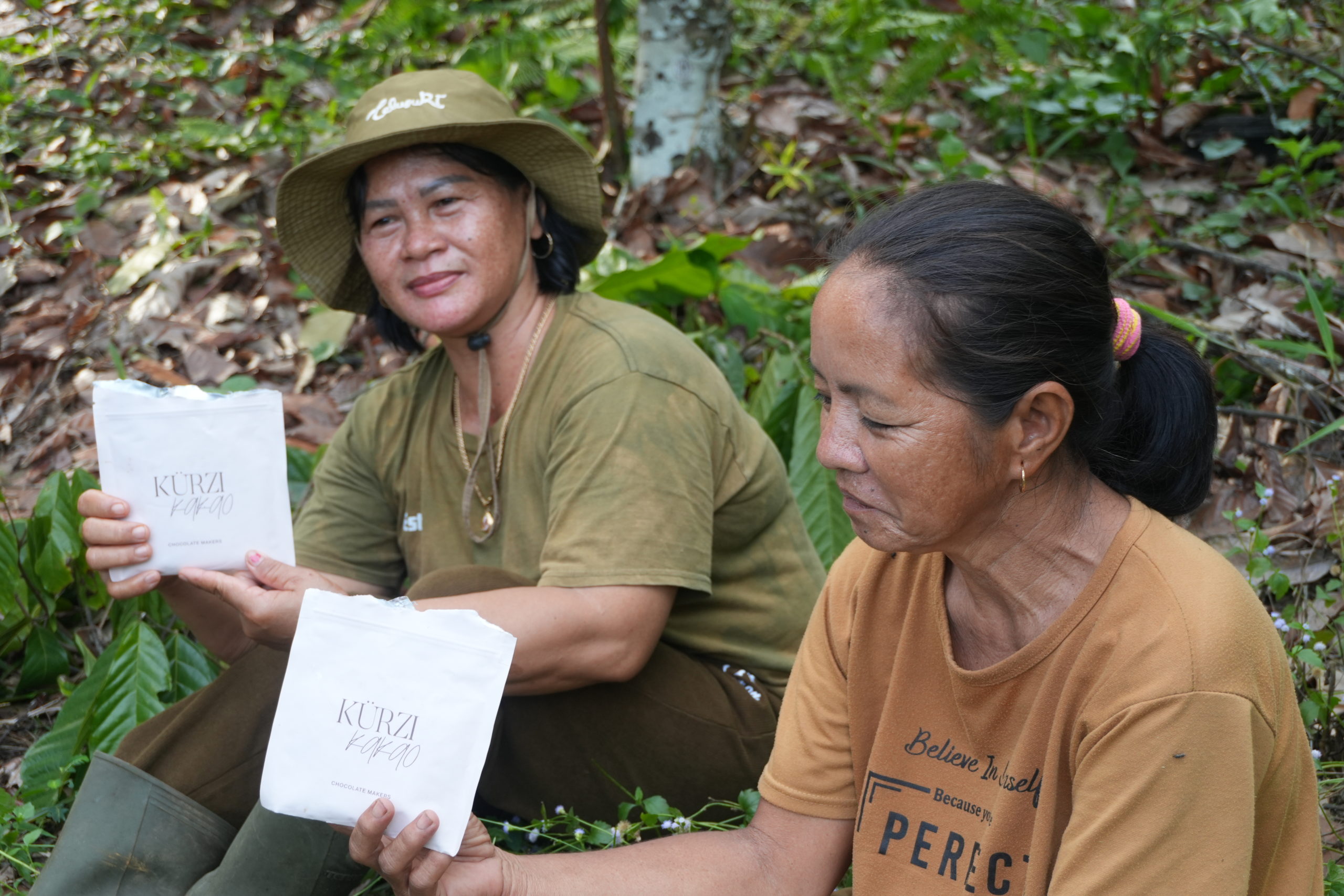
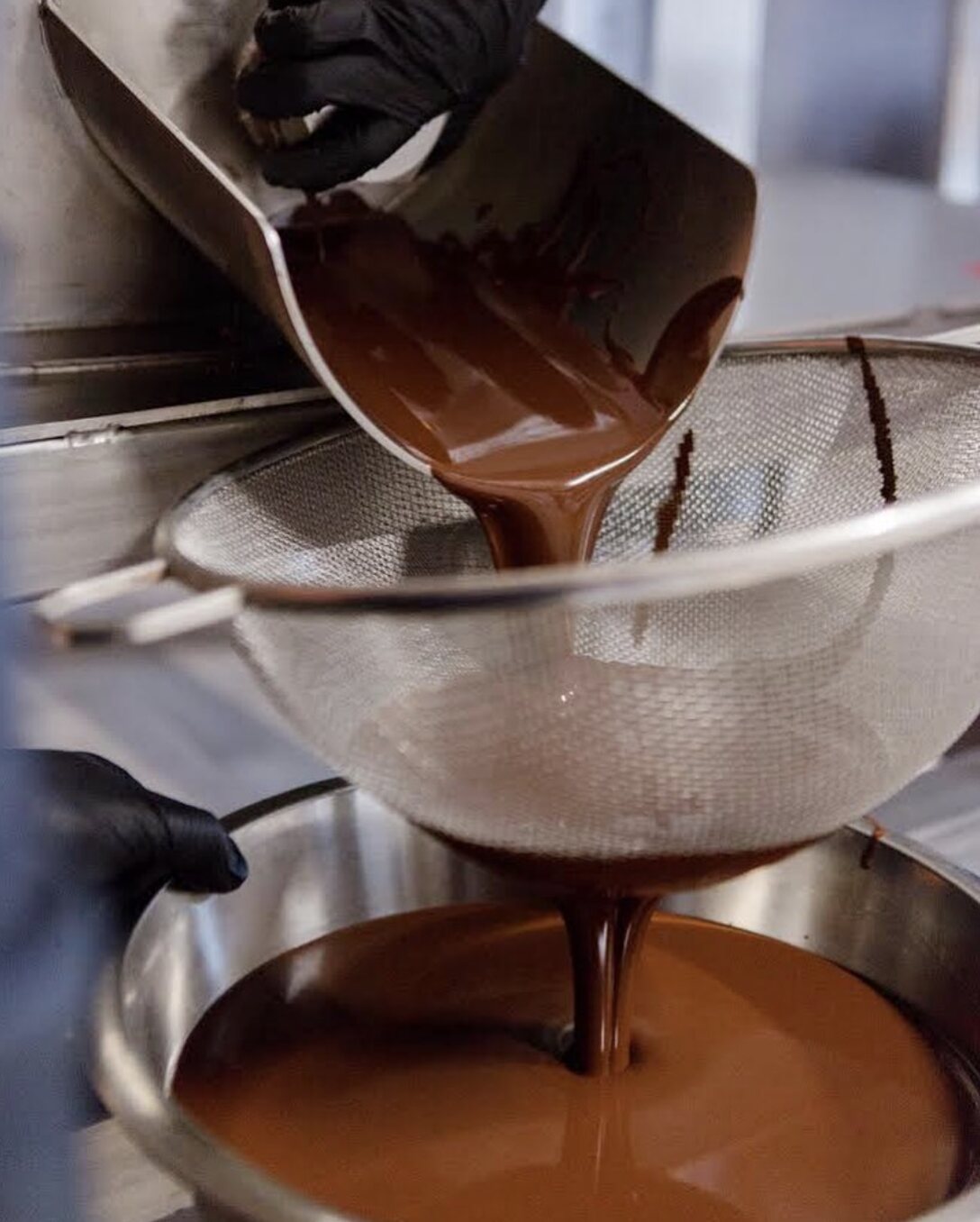
A chocolate that does more. In Switzerland, the bean-to-bar manufacturer Kürzi Kakao helps develop the chocolate step by step. They source the cocoa directly from local producers and, in the early stages, also process beans that do not yet meet their usual quality standards, thereby guiding the journey toward high-quality cocoa from the very beginning. The result is a chocolate that highlights the origin, quality, and the people behind the cacao, and demonstrates what authentic chocolate can be.
“This project demonstrates how cocoa can serve as a genuine incentive to protect the forest. By working directly with Dayak communities and the Berau government, we link improved cocoa quality and market access to orangutan conservation at the landscape level. Seeing livelihoods improve while forests remain intact and knowing that cocoa meets traceability, EUDR, and climate goals demonstrates that conservation, policy, and business can truly move forward together.”
Auditya Sari, Project Coordinator, Indonesia
“This project demonstrates how cocoa can provide a real incentive to protect the forest. Working directly with the Dayak communities and the Berau government, we are combining improved cocoa quality and market access with the protection of orangutans. When people’s living conditions improve, forests are preserved, and the cocoa is traceable—meeting the requirements of the EU Deforestation Regulation (EUDR) and contributing to climate goals—it becomes clear that nature conservation, politics, and business can make a difference together.”
Auditya Sari, Project Coordinator, Indonesia
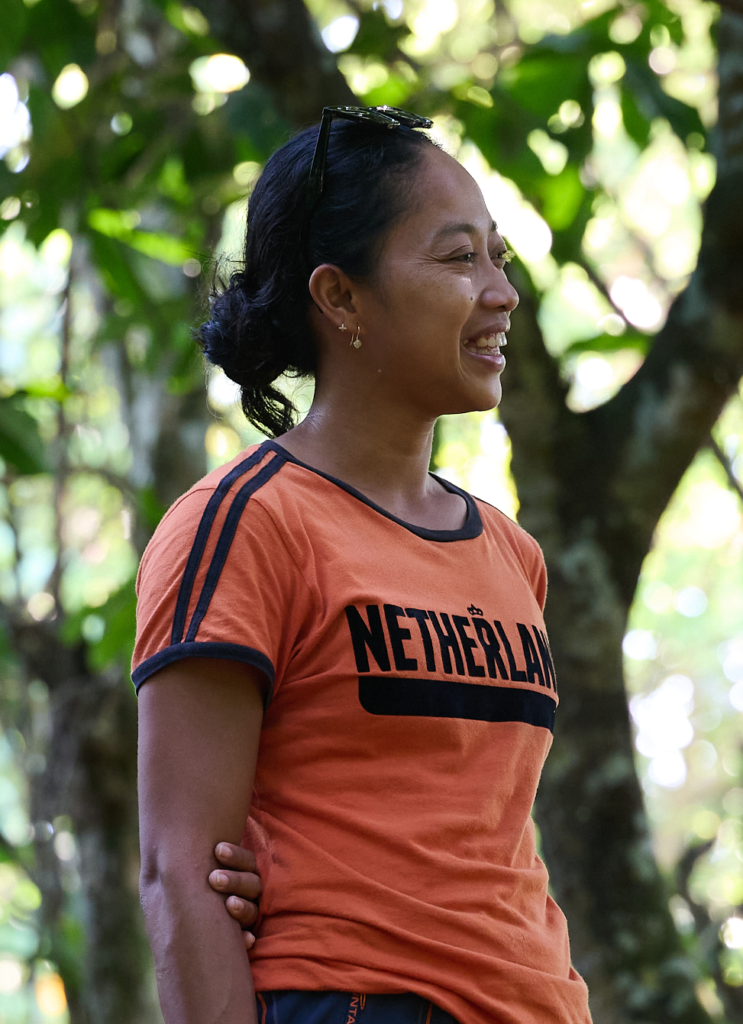
The Indonesian partner organization CAN initiated the project together with BOS Switzerland and then brought the village communities and Good Chocolate Hub on board. CAN is deeply rooted in the region, enjoys the trust of the communities, and oversees the project’s implementation. The Dayak communities help shape the project and have a say in its direction. Therefore, we are not implementing “our” project, but rather supporting the concerns of the local communities.
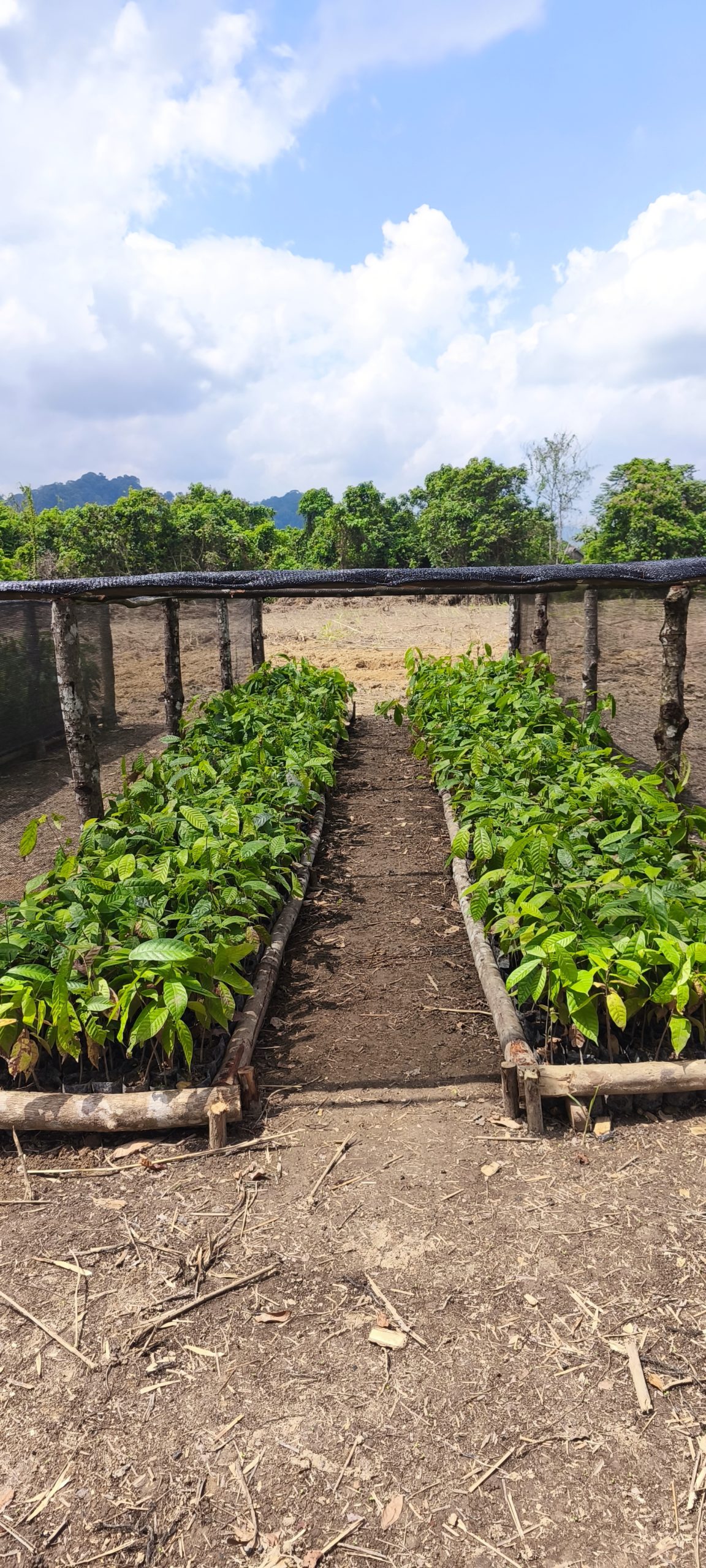
CAN is establishing cocoa nurseries and growing seedlings adapted to local conditions—with a goal of 30,000 cocoa seedlings. Families use these seedlings to replant existing plots and restore farms that were destroyed by forest fires. All villages are participating in the training sessions and assessments. The number of seedlings each village plants depends on how much suitable land and labor are available.
A living wage is enough to allow a family to live with dignity where they live: with a healthy diet, adequate housing, education, health care, and a reserve for emergencies. In a study, we survey how much households earn today and compare that to the amount they need to live on. This reveals the gap. At the same time, we analyze the prices cocoa fetches in the various supply chains. In direct trade, we aim to transparently calculate the entire chain all the way to the consumer. If we succeed, future pricing will be based on what farmers need to live, rather than on the retail price and what customers are willing to pay.
Women do a large portion of the work in cocoa farming, such as sorting the beans. However, fewer than 15 percent of them own land, and fewer than 10 percent hold decision-making roles in farmers’ groups. A gender analysis in the villages forms the basis for our approach. Women gain access to training in cultivation, finance, and farm management, and together with the communities, we advocate for their land rights. We are currently building a network of Local Champions—farmers who share their knowledge with other families in the village. Our goal is for half of them to be women. Men are included in all training sessions so that gender equality becomes a priority for the entire community.
In the forum, cocoa farmers from the villages exchange ideas. They share knowledge, work together to organize supplies, receive market information, and represent their interests to buyers and government agencies. In the Local Champion Program, at least 18 particularly dedicated farmers—half of whom are women—pass on their knowledge to other families. This ensures that the knowledge remains in the village, even after the project ends.
Cocoa grows in the shade of trees. Through training sessions and on demonstration plots, families learn how to design their farms with shade trees, fruit trees, and other crops. Initial efforts are already underway. We are further developing these initiatives or establishing them where they are still lacking. Agroforestry makes the farms more resilient to drought and flooding, generates additional income, and connects the fields to the surrounding forest corridor, which serves as a habitat for approximately 185 orangutans.
Proper fermentation requires boxes, drying facilities, and storage areas. The village councils and families work together to determine how this work will be organized. Does each family ferment the beans on their own, or are there central processing stations? Who picks up the fresh beans, and how do they get there on time? The investment is worthwhile only if the system fits in with the village’s existing processes.
We offer training where it is needed: in planting, pruning, shade management, and pest control, as well as in harvesting, fermentation, drying, and quality control. The goal is to increase yields on existing land by 30 percent. In addition, crop cultivation and chocolate production benefit from each other.
Cocoa cultivation and chocolate production are partially in place. Kürzi Kakao in Switzerland and a bean-to-bar manufacturer in Indonesia want to purchase the cocoa. We now need to adapt our existing trade channels so that they support direct trade. This includes purchasing in the villages, quality control, staffing, export documentation and imports, as well as traceability back to the farm in accordance with the EU Deforestation Regulation. The goal is a well-coordinated supply chain with a clear and transparent pricing structure.
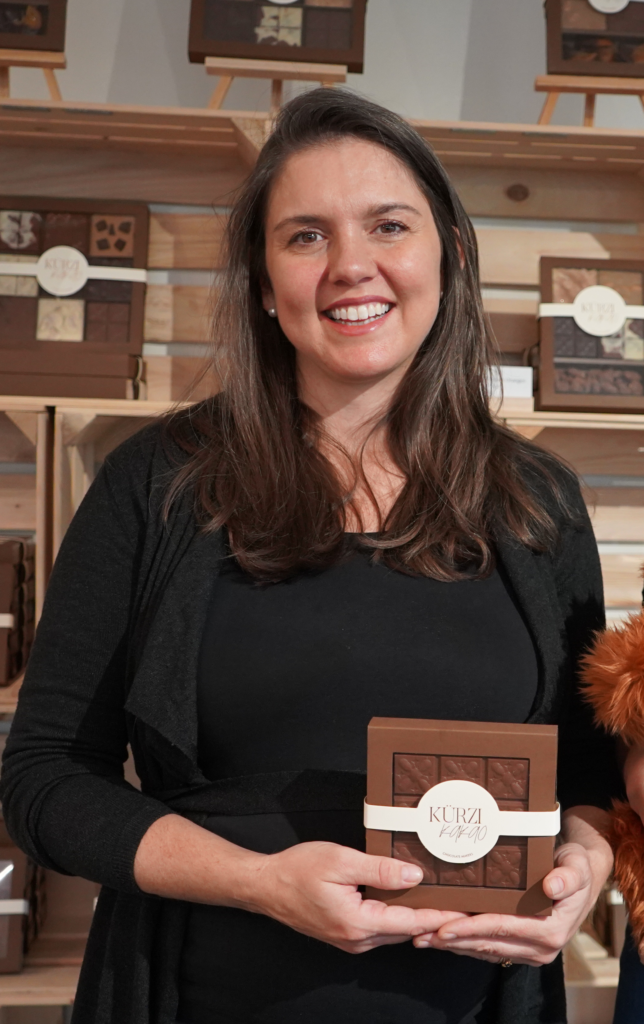
“We’re showing that great chocolate can do both: delight people with its taste and quality, and provide cocoa farmers with a good income.”
Britta Kürzi, founder of Kürzi Kakao.
The Menyapa-Lesan Cocoa Project is an alliance of organizations dedicated to nature conservation, sustainable cocoa farming, and chocolate. Together, we are working in Borneo and Switzerland to develop a supply chain that combines forest conservation, local value creation, and conscious consumption.
Good Chocolate Hub
The Good Chocolate Hub, based in Zurich, is committed to sustainability and fairness in the cocoa and chocolate supply chain. Through project work, educational initiatives, the “ehrundredlich” chocolate festival, and campaigns, the organization builds a bridge between cocoa production and chocolate consumption.
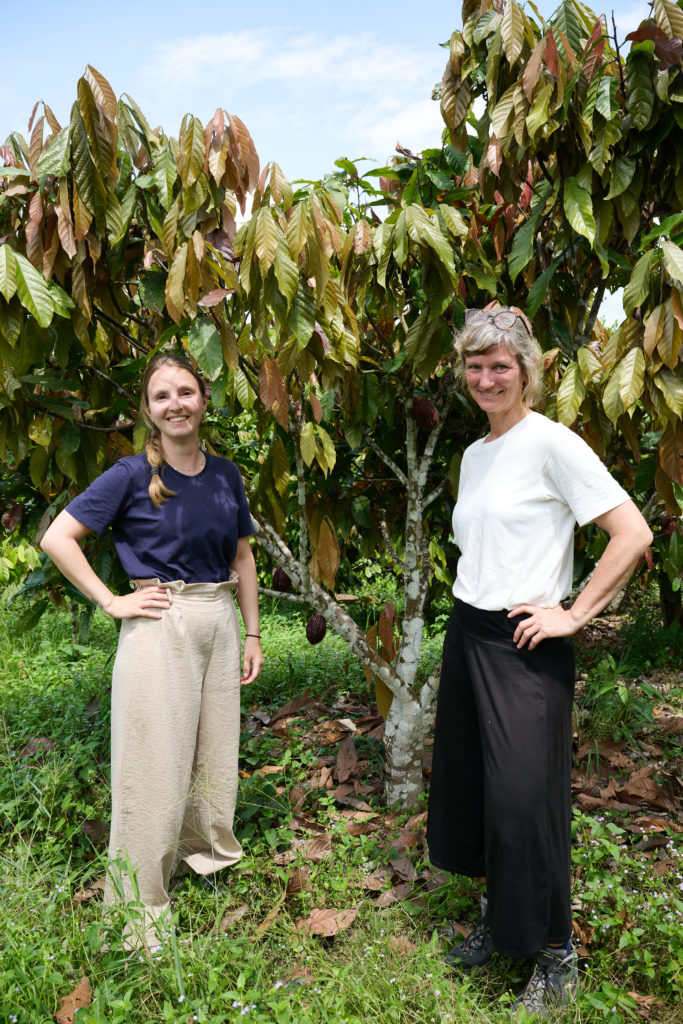
The Team: Evelyn & Andrea
Note: “ehrundredlich” Chocolate Festival 2027 in Bern, with Indonesia as the guest country and project representatives from the field
BOS Switzerland
BOS Switzerland (Borneo Orangutan Survival) is a nonprofit organization based in Zurich. Since 2004, BOS Switzerland has been working in Borneo to protect orangutans and their habitat—through rescue and rehabilitation, reintroduction into the wild, forest conservation, and sustainable development for the local population.
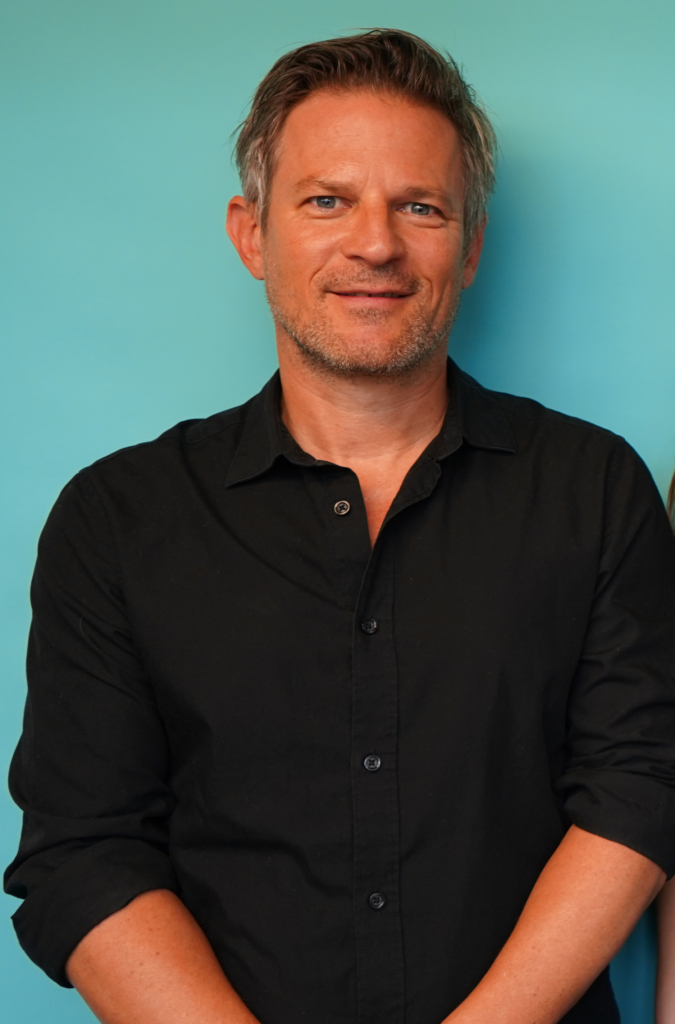
The Team: Moritz
Conservation Action Network (CAN)
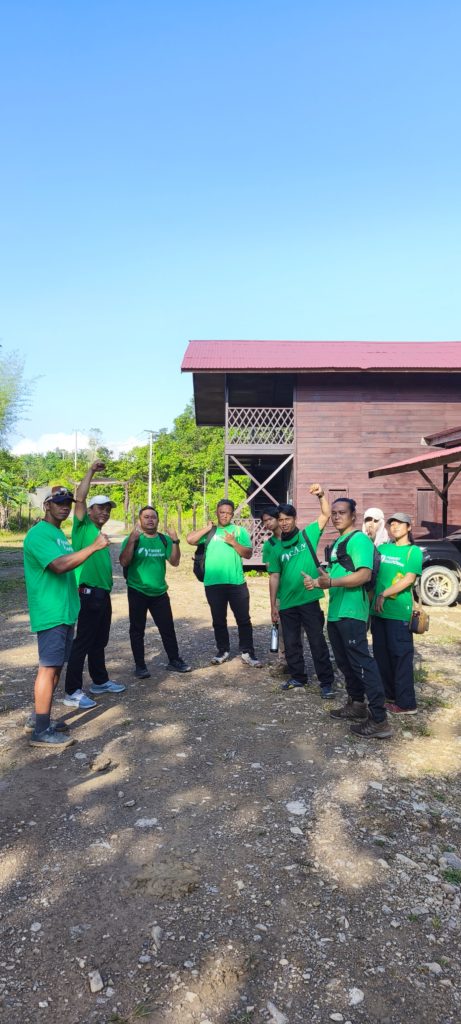
CAN is an Indonesian conservation organization founded at the grassroots level in 2019. It works closely with village communities and government agencies in Kalimantan to protect forests, save wildlife, and restore ecosystems. In the cocoa project, CAN serves as the local implementation partner and supports Dayak communities in sustainable cocoa farming.
The Team: Linus, Tya, Septian, Dhonan, Restu & Susu
Kürzi Cocoa
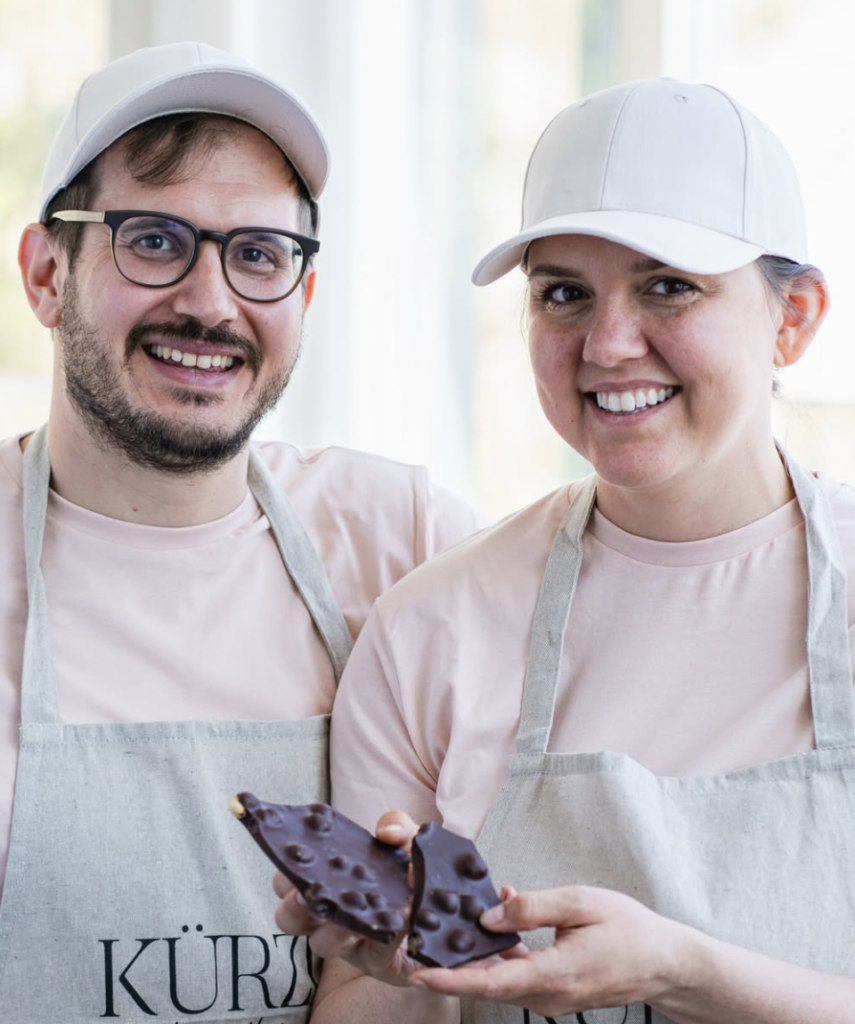
We love chocolate: its origins, its flavors, and everything that can be created from it. We craft each creation ourselves in small batches, using exceptional cocoa and plant-based ingredients. As a chocolate maker, Kürzi works closely with cocoa farmers—not just by purchasing beans, but through long-term partnerships. This creates a fair, sustainable, and transparent supply chain, from the cocoa tree in Borneo to the chocolate bar in Switzerland.
The Team: Britta and Martin
Sponsors
This project was made possible thanks to a grant from the innovation program of the Swiss Platform for Sustainable Cocoa (SWISSCO), which is supported by the State Secretariat for Economic Affairs (SECO).
For more information about the project, visit the Cocoa Platform project page.
Additional funding is provided by:
NIC Charitable Foundation
Paul Reinhart Foundation
and the Migros Support Fund.

Forest and Peat Fires in Borneo
The fires in Borneo are threatening people, wildlife, and valuable forest areas. The Berau region in East Kalimantan, where our Menyapa-Lesan cocoa project is being implemented, is also affected. Our project partner, CAN, is working alongside local communities to save what can still be saved.
Learn More